Guide · 4 min read
What real proof of delivery looks like
"Delivered" isn't proof. Here's what a complete delivery record includes, and why it protects you when something is questioned.
Most delivery problems aren't lost freight. They're questions: did it arrive, when, who took it, and was it damaged? A good proof of delivery answers all of them in one record you can forward in seconds.
The four parts of a complete record
1. A timestamp. The exact time the freight was handed over, not just the date. It settles "was it there before the deadline?" without a phone call.
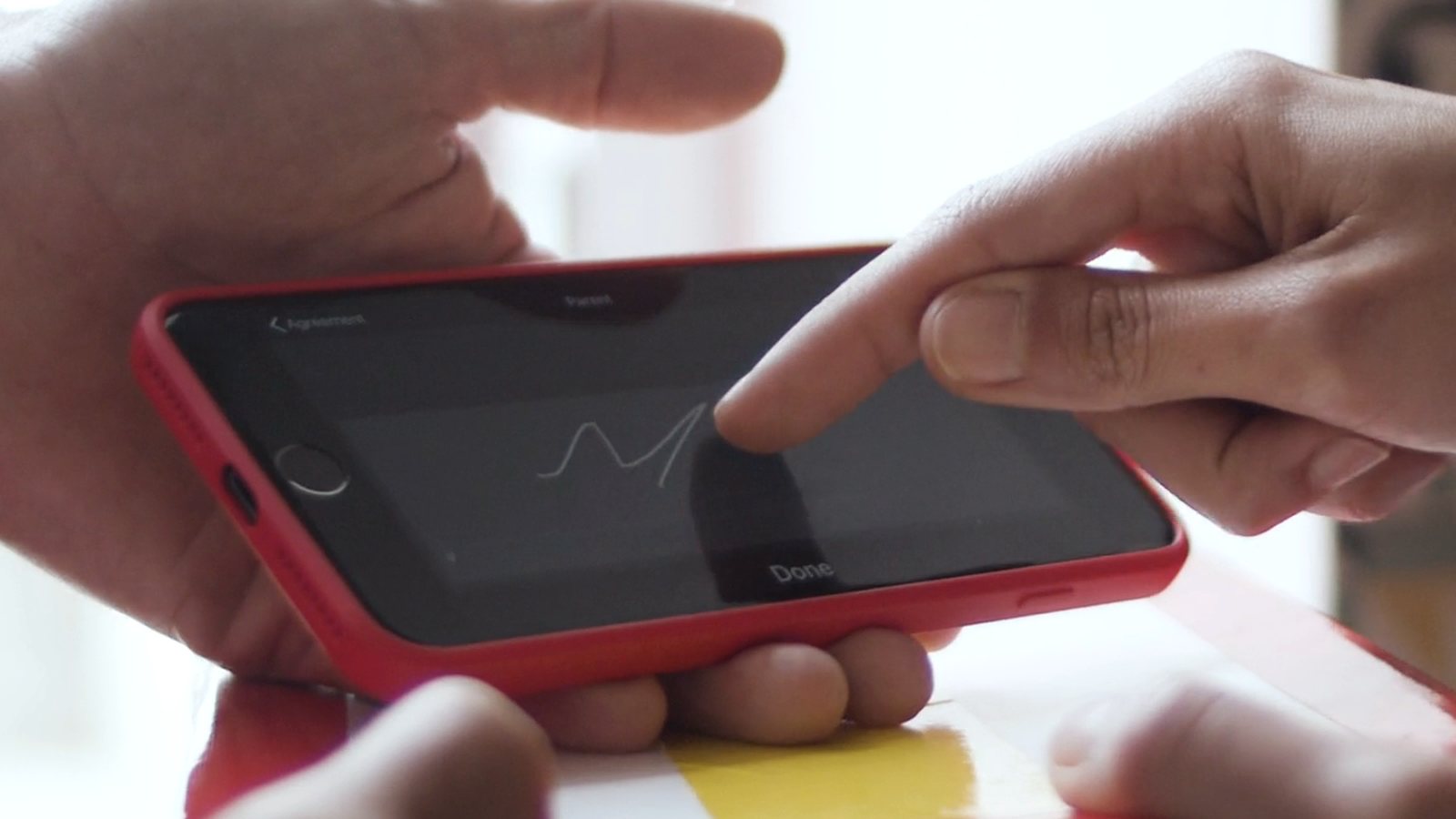
2. A signature with a printed name. A signature alone can be a scribble. A printed name tells you who actually received it, which matters when a front desk signs for someone else.
3. A photo at the door. The freight at the drop-off point, showing condition and piece count. If a box is later reported crushed, the photo shows how it looked on arrival.
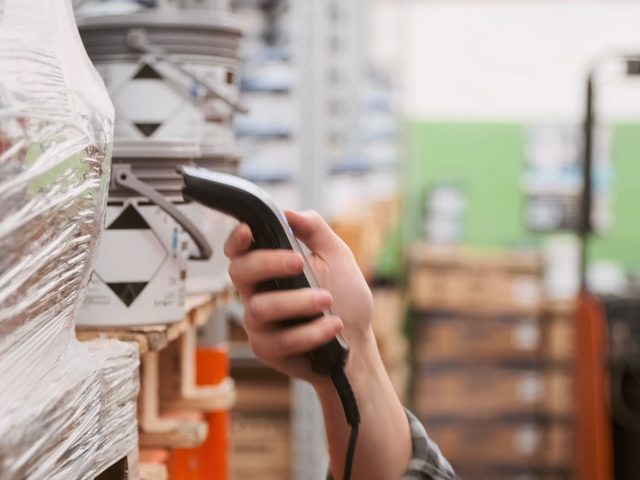
4. A photo at pickup. Often skipped, but it's half the story. It shows what left your building and in what shape, so you can tell where a problem started.
Why it matters
For businesses, a complete record shortens disputes, speeds up invoicing and keeps customers confident. For regulated freight, like medical, legal or government documents, it's part of the chain of custody you may be asked to produce.
How we do it
Every Sterling Nexus Freight delivery closes with a timestamped photo and a signature, filed the same day. You get text updates at pickup, en route and on arrival, and the proof is ready to share when the job is done.
- Do you photograph the load at pickup and at delivery?
- Do you capture a printed name with the signature?
- How quickly can I get the proof, and in what form?
Ready to move something?
Get a flat price before pickup, live updates and photo proof at the door.